|
 
|
Let's kick start LYK with some topics #2
Topic of discussion #2: in-house general electrical stuff and observations:
Disclaimer: 120VAC can kill you! If you are not capable of doing it (or have zero knowledge whatsoever), please!!! do not touch it. Hire someone capable to do the work for you instead)
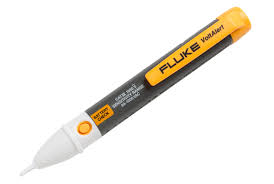
Turn off the power to your house when performing servicing (turn off all the breakers), and also get a non-contact based AC probe to confirm before you begin your work)

Observations:
for those folks with houses/apartments/townhomes, etc. over 15+ yrs or older, your AC wall outlet becomes loose? i.e. you are not getting the "power" to connect to your vacuum cleaner, TeeVee set, etc. and you ended up bending the prongs on the connector trying to regain contact?
Facts: AC wall outlets have to be inspected on a periodic basis, and when the contacts become loose and cannot function properly, then it's time to replace them.
Before you begin, you must find out whether your house wirings are "aluminium" or "copper"? To do so is to (with all the caution), undo one or a few outlets throughout your unit, and inspect. If it's slightly tarnished brown or deep yellow, you know it's copper; if it's silver-ish in colour; you know it's aluminium.
Historical archives: there was a point in time past where the nation's residential electrical code allows the use of aluminium insulated wiring to be used in construction (that was around the 70s, but ended around the early 80s and builders revert back to using all copper wirings). While they (builders) saved some money while using aluminium wiring; bad news is: it can be a PITA to deal with (and can be hazardous if you don't know how to handle properly) during servicing, especially after so many decades.
Q:What if my unit is laid with aluminium wiring? (and my AC wall outlets are intermittent/failing)?
A: you have 2 options when servicing those AC wall outlets: (a) research the internet or talk to those big box store staff and see if you can get AC wall outlets that are Alu (aluminium) certified. Get some replacements and replace them.
(b) this option can be sort if Alu based replacement wall outlets cannot be had and/or are exceedingly expensive, you can then go with regular AC wall outlets but when servicing them, make sure all the exposed connector wirings are sanded down to a shine, and then coat it with NOALOX paste (avail from big box store) thoroughly before you install and then tighten the screw on your regular copper wire based AC wall outlet.
#########################################################
Observations: no matter how much $$$ you spend on high-end (industrial/hospital grade) AC wall outlets or residential grade ones, fact is, after so many years of plugging in and out, the copper contact prongs inside will become loose. Replace them with fresh new ones will restore the proper functionality of them and also the intended safety of them.
Please do not do the following: (1) keep on bending the TV cord end plug prongs to re-establish contact; (2) try to take apart an AC wall outlet to restore the connectivity (useless endeavour).
Replace them with proper grade ones. If you have rectangular plate type, by rectangular plate type and then replace them; if you are the traditional 2-round (2 frowning face) type, buy the same type and replace them.
Hospital grade wall outlets can get as high as 13bux each, and my experience told me that they are more "snug" and tighter contact initially; which may last to another 10 more years of service life when compared to residential grade.
Residential grade ones can be had for less than 2.50bux each (both types) each, and they are typically good for around 20 years or less.
** Note: unless your unit is a custom built type, with the specifics (you instructed them beforehand) of installing high grade/end AC wall outlets ones, otherwise: pretty much 99% of the home built are with residential grade AC wall outlets to begin with. So no use fuzzing over them afterwards.
Instead: keep on using them until they become weak/loose, then service them.
To service/replace them:
(turn off the house electricity first, confirm no AC power on the wiring with non-contact tester before proceeding).
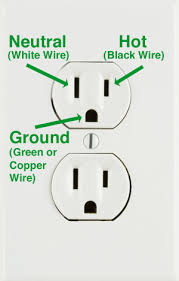
with care: take apart your wall outlet and carefully pull the unit out. There you should see 3 wires: white, black and a bare copper (sometimes it's covered with yellow/green plastic sleeve).
White wire is neutral; black is hot; bare copper/yellow/green sleeved is ground.
test all 3 of them with non-contact tester to confirm before you start taking the wiring off. Also: when you install: the AC wall outlet unit has screws that are "coloured". The screw head silver = white wiring (neutral)' the screw head is golden= black wiring (hot); side green screwhead: bare copper.
Once you done with it, carefully insert it back into the wiring box, install the plate and then re-energise your breaker panel and then get a reading lamp or similar, plug it in and try it out.
Good luck and please observe extreme caution when doing this.
Q.
 |
|


 發表於 2016-5-29 06:51
|
發表於 2016-5-29 06:51
|