Heads push over school funding disparities- [size=0.8125]18 September 2015
From the sectionEducation & Family
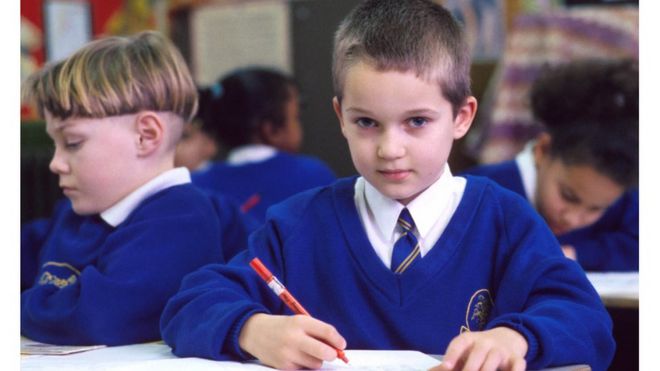 Image caption[size=0.8125]Basic funding levels per pupil vary by a maximum of £3,000 Huge regional disparities in funding could leave schools without teachers unless they receive some extra money, say head teachers. Funding can vary by as much as £3,000 per pupil but the government has pledged to even things out. The Association of School and College Leaders is urging ministers to "grasp the nettle" on fairer school funding. The Department for Education has said it increased the budgets of the 69 least fairly-funded areas for 2015-16. Historically, more money has been channelled towards areas that have high levels of social need, with cash targeted towards those in the inner cities and areas of deprivation. 'Sailing the Titanic'Heads argue the disparity between higher and lower funded areas has been magnified by the pupil premium - money targeted at children from poor backgrounds - with £1,320 per child at primary level and £935 in secondary schools. Additionally, schools are facing increasing pressures on their budgets because of the rising costs of pensions, national insurance contributions and teachers' pay over the coming years. Malcolm Trobe, deputy general secretary of the Association of School and College Leaders, told the Times Educational Supplement that England's worst funded schools were "not going to be able to afford to put teachers in front of classes" without additional money. He adds: "It is essential that fairer funding proposals are brought forward as soon as possible. This issue has gone unresolved for too long and previous governments have failed to grasp the nettle. "The complexity of introducing a fairer funding formula and the need to phase in the new arrangements mean it must be dealt with early in the Parliament. The opportunity to resolve this issue must not be allowed to slip away once again. "A new formula should establish a sufficient base level of funding per pupil, with additional funding to reflect disadvantage which incorporates the existing pupil premium. "To be clear. We are not calling for the end to the pupil premium. Our approach is to have a single deprivation funding stream rather than the two that currently exist - one of which is the pupil premium - as this would lead to a fairer distribution of the funds." | 


 發表於 2015-9-18 22:02
|